Summary
A string of high-profile rape cases in India has reignited public anger over women’s safety, including an incident in which three men posing as police officers allegedly gang-raped a 17-year-old girl in a public park in New Delhi. The case has renewed a familiar question: why have over a decade of legal reforms and tougher sentencing failed to bring down sexual violence?
Background
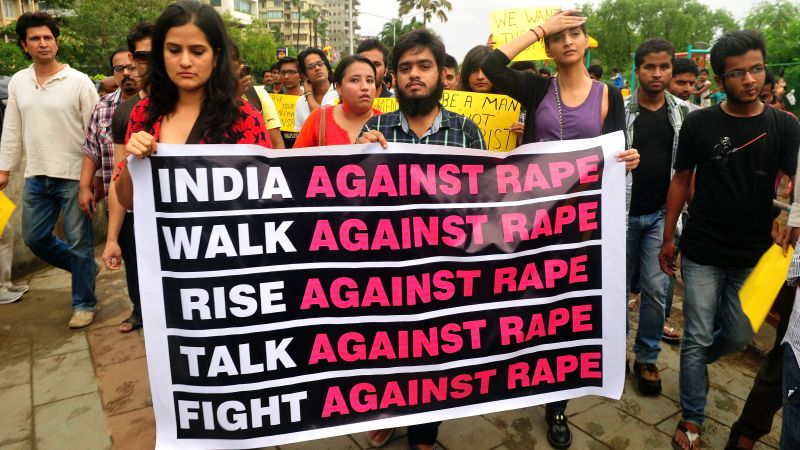
Hundreds of students marched through New Delhi this week, demanding stronger safety measures after the latest high-profile case. The public anger echoes the aftermath of the landmark 2012 Delhi gang rape case, after which India rewrote its criminal laws — broadening the legal definitions of sexual assault and consent, and introducing the death penalty for repeat offenders.
What’s Driving the Latest Outrage
The Delhi park attack followed the rape and murder of a 16-year-old girl whose body was found in a decomposed state, and the alleged rape of a 17-year-old by a bus driver and conductor who had offered her a lift during heavy rain. Similar cases have surfaced elsewhere too, including a video that circulated this month showing a teenage girl being sexually assaulted in Bihar.
The Numbers Behind the Headlines
India recorded an average of 80 rape cases a day in 2024, and activists believe the real figure is significantly higher, since many survivors never file a report, often out of fear of stigma in a deeply patriarchal society.
Why Tougher Laws Haven’t Solved the Problem
Legal experts and activists point to enforcement, not legislation, as the real bottleneck. India’s rape conviction rate has stayed largely flat since 2012, hovering around a quarter of cases that actually reach trial, while fewer than 10 percent of the roughly 200,000 rape cases pending before courts in 2024 were completed that year. Campaigners also describe an overstretched police system, where a single station can be responsible for 200,000 to 300,000 people, making swift investigation nearly impossible.
A Cultural Problem, Not Just a Legal One
Women’s rights activists argue the deeper issue is attitudes, not statutes. Prevention efforts, one activist told AFP, need to start “much before a crime is committed” — in homes, schools, and online spaces, not just in courtrooms. Victim-blaming remains widespread, with survivors frequently facing social stigma rather than support after reporting an assault.
Impact and Outlook
Each new case triggers a familiar cycle: arrests, political statements, and street protests — followed by little structural change. Until police staffing, court backlogs, and social attitudes are addressed together, experts warn, legal reform alone will keep falling short of making India’s streets safer for women.
FAQs
What is India’s rank in women’s safety?
India consistently ranks among the lower-performing countries in global gender-safety indexes, largely due to high rates of reported sexual violence, low conviction rates, and significant underreporting driven by social stigma. Exact rankings vary by survey methodology, but international travel advisories and safety indexes have repeatedly flagged concerns for women traveling in or living in India, particularly in dense urban areas.
How safe is India for a woman?
Safety varies significantly by region, city, and context, but nationwide crime data shows sexual violence remains a persistent and serious concern. Public spaces, public transport, and after-dark travel are commonly cited as higher-risk situations by both residents and visitors, even as some cities have invested in better lighting, policing, and emergency-response systems in recent years.
What are the major women’s safety issues in India?
Key issues include slow police response and investigation, a heavily backlogged court system that can take years to resolve a single case, low conviction rates relative to cases filed, deep-rooted victim-blaming attitudes, and underreporting driven by fear of social stigma. Activists also point to gaps in survivor support services and inconsistent enforcement of existing laws across different states.